- Heading: The heading appears at the top of the letter and includes your address and contact information. It helps the recipient identify you and facilitates correspondence. Include your full name, street address, city, state, and postal code. You may also include your email address and phone number.
- Date: The date indicates when the letter is written. It is typically placed below the heading and aligned with the left margin. Write the date in a formal format, including the month, day, and year. For example, «June 10, 2023.»
- Inside Address: The inside address, also known as the recipient’s address, includes the name, title, organization, street address, city, state, and postal code of the person you are writing to. It should be aligned with the left margin below the date.
- Salutation: The salutation is the greeting at the beginning of the letter. It is used to address the recipient respectfully. Common salutations include «Dear,» followed by the recipient’s title and last name, such as «Dear Mr. Smith» or «Dear Ms. Johnson.» If you have a close relationship with the recipient, you may use a more informal salutation like «Dear John» or «Hi Sarah.»
- Body: The body of the letter is where you express your thoughts, convey your message, or share information. It is the main content of the letter and should be well-organized into paragraphs. Start with an introduction, develop your points in the middle paragraphs, and conclude with a closing statement or call to action.
- Closing: The closing is a polite way to end the letter. Common closings include «Sincerely,» «Yours faithfully,» or «Best regards.» It is followed by a comma and leaves space for your signature.
- Signature: Sign your name by hand below the closing. This adds a personal touch and indicates that you have written the letter yourself. If the letter is typed, you can leave a space above your typed name to sign it later.
- Enclosure/Attachment: If you are including additional documents, such as a resume or a brochure, mention it below your signature. Use «Enclosure» if you are including something within the envelope and «Attachment» if you are referring to a document mentioned in the letter but not included.
- Postscript (P.S.): A postscript, indicated by «P.S.,» is an optional addition after the signature. It allows you to add a brief, additional message that you may have forgotten to include in the main body of the letter.
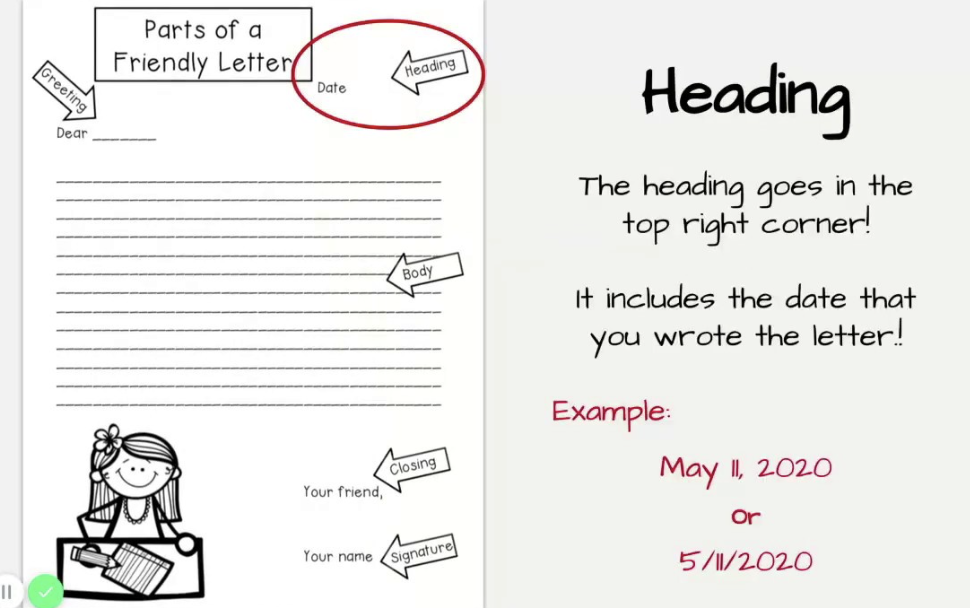
Parts of the letter
por
Etiquetas:
Deja una respuesta