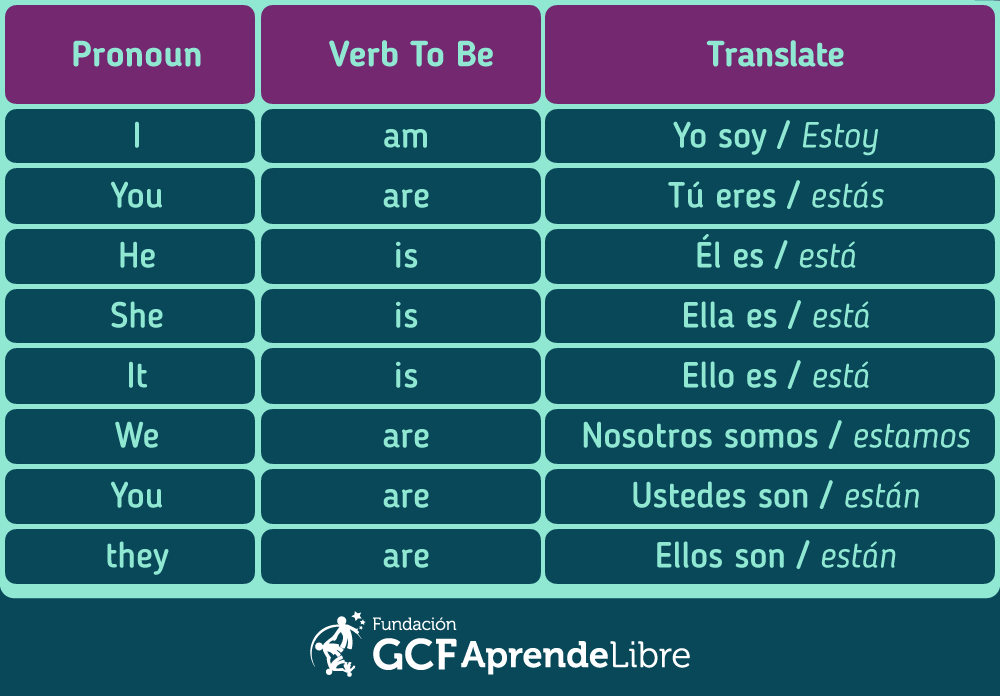
- The Basics of «To Be»: The verb «to be» is a vital tool in the English language. It allows us to express states of being, identity, existence, and more. It has different forms depending on the subject and tense of the sentence. The present tense forms include «am» (I), «is» (he, she, it), and «are» (you, we, they).
- Expressing Identity and Characteristics: One of the primary uses of the verb «to be» is to express identity and characteristics. For example:
- «I am a student.»
- «She is intelligent.»
- «We are friends.»
- Describing Physical Appearance: You can also use the verb «to be» to describe physical appearance:
- «He is tall.»
- «The car is red.»
- Talking about Location: The verb «to be» helps us describe where something or someone is located:
- «The library is on the second floor.»
- «I am at home.»
- Expressing Time: The verb «to be» is used to express the time of day:
- «It is morning.»
- «What time is it?»
- Forming Questions: When forming questions, the verb «to be» is crucial. Invert the subject and the verb «to be» to create questions:
- «Are you ready?»
- «Is she coming to the party?»
- Negative Sentences: To form negative sentences with the verb «to be,» use «not» after the verb:
- «I am not tired.»
- «They are not here.»
- Contractions: In casual speech and writing, contractions are commonly used with the verb «to be.» For example:
- «I’m happy» (I am happy).
- «She’s friendly» (She is friendly).
- Present Continuous Tense: The verb «to be» is also used to form the present continuous tense, indicating an ongoing action:
- «I am studying for the test.»
- «They are playing soccer.»
- Practice and Application: To solidify your understanding of the verb «to be,» practice using it in various contexts. Write sentences, engage in conversations, and read texts that incorporate the verb. The more you practice, the more natural it will become.

Deja una respuesta