Welcome, high school first graders! Starting a new grade can be exciting, but it’s important to familiarize yourself with classroom language and etiquette. In this blog, we’ll explore essential phrases that will help you navigate your classroom and build positive relationships with your teachers and classmates. Let’s dive in!
- Good Morning, Good Afternoon: Starting the day with a warm greeting sets a positive tone. When you arrive at school or enter the classroom in the morning, greet your teacher and classmates with a smile and say, «Good morning.» If you arrive after lunch or during the afternoon, use the phrase, «Good afternoon.» It’s a simple gesture that shows respect and friendliness.
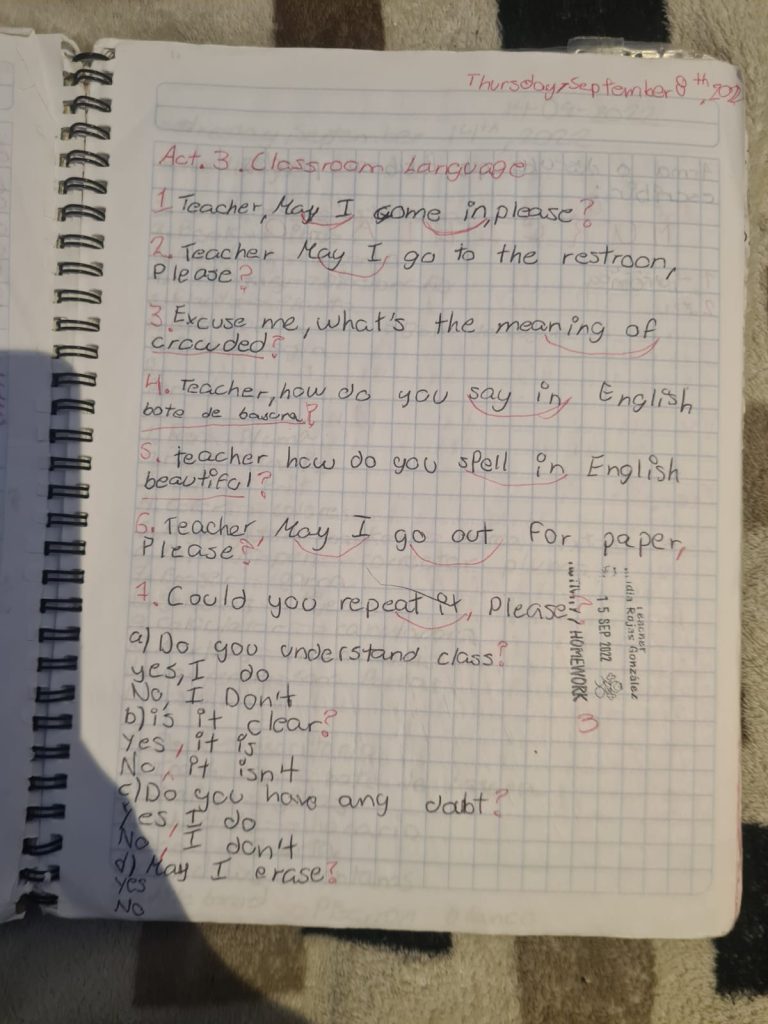
- May I Come In? Entering the classroom politely is crucial. Knock gently on the door, and when your teacher gives permission, enter with a smile and say, «May I come in, please?» or «Excuse me, may I enter?» This demonstrates respect for your teacher and fellow students who might already be engaged in an activity.
- Saying Hello: Making connections with your classmates is essential. Whenever you encounter a friend or peer in the classroom or during breaks, greet them with a friendly «Hello» or «Hi.» It’s a simple way to acknowledge others and foster a positive classroom atmosphere.
- Introducing Yourself: Introducing yourself to new classmates can be exciting. When meeting someone for the first time, confidently say your name clearly. Consider extending your hand for a handshake (if appropriate and allowed) while making eye contact. Remember, first impressions are important, so be friendly and open.
- Thank You: Gratitude is a quality that is appreciated by everyone. Whenever someone helps you or does something nice, express your appreciation by saying, «Thank you» or «Thanks.» Whether it’s a teacher answering your question or a classmate lending you a pencil, showing gratitude creates a culture of kindness and respect in the classroom.
- Excuse Me: Politeness goes a long way in any social setting. If you need to get someone’s attention, pass by someone, or ask for help, use the phrase «Excuse me.» It shows that you value others’ personal space and time. Remember, being polite is key to building positive relationships.
- Raise Your Hand: Classroom participation is essential for learning. When you have a question, comment, or need to speak during a lesson, raise your hand. This signals to your teacher that you have something to contribute. Wait patiently for your turn to be called upon, ensuring that everyone’s ideas and voices are heard.
- Listening Respectfully: Active listening is a vital skill for effective communication. When your teacher or classmates are speaking, listen attentively without interrupting or engaging in side conversations. This shows respect for the speaker and allows you to grasp important information.
- Wait for Your Turn: Taking turns is an important part of group activities and discussions. Wait for your turn to speak or participate, allowing others to share their ideas and perspectives. This fosters a collaborative and inclusive learning environment.
- Kind Words: In every interaction, choose your words wisely. Use kind and respectful language with your peers and teachers, avoiding name-calling, teasing, or hurtful words. Treat others the way you would like to be treated, and create an atmosphere of empathy and understanding.
Deja una respuesta