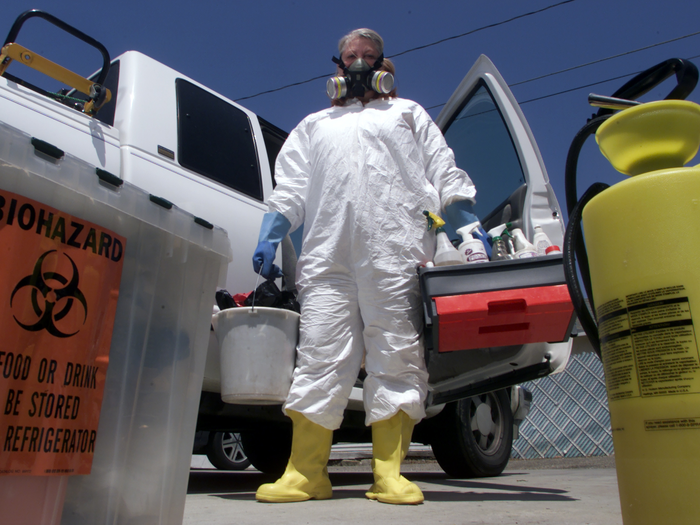
- Defining Dangerous and Dirty Jobs: Dangerous and dirty jobs encompass a wide range of occupations that involve high-risk environments, hazardous conditions, physical exertion, or exposure to substances and elements that are considered unclean or potentially harmful. These jobs often require special training, protective gear, and a remarkable degree of resilience.
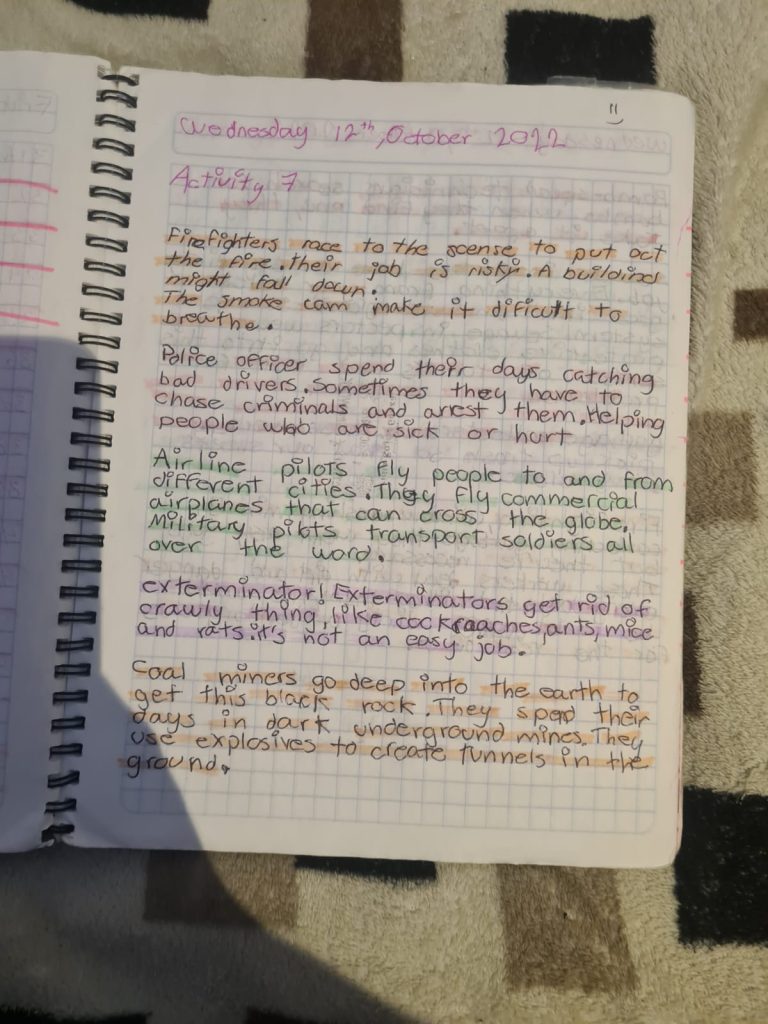
- Examples of Dangerous Jobs: a) Firefighters: Firefighters risk their lives to save others and protect property from fires. They face intense heat, smoke, and collapsing structures, making it one of the most dangerous and heroic professions.
b) Police Officers: Police officers uphold law and order, facing unpredictable and potentially life-threatening situations. They work tirelessly to maintain public safety, often patrolling high-crime areas and responding to emergencies.
c) Construction Workers: Construction workers handle heavy machinery, work at great heights, and face various physical risks. They build our cities and infrastructure while ensuring structural stability and safety.
- Examples of Dirty Jobs: a) Sanitation Workers: Sanitation workers collect and dispose of waste and recyclables. They brave unclean environments, handling garbage and hazardous materials to maintain cleanliness and public health.
b) Sewer Workers: Sewer workers maintain and repair sewage systems, ensuring proper sanitation and drainage. They often work in confined spaces and deal with foul odors and potentially harmful substances.
c) Mining Workers: Mining workers extract valuable resources from the earth, such as coal, metals, and minerals. They operate heavy machinery, work in underground tunnels, and face risks like cave-ins, explosions, and exposure to toxic substances.
- Challenges and Rewards: While dangerous and dirty jobs come with inherent risks, they also offer unique rewards and fulfillment. Those who choose these careers often possess exceptional courage, a sense of duty, and a desire to serve others. They play a crucial role in society by safeguarding communities, building infrastructure, and ensuring public health.
- Importance of Safety Measures: Safety measures and protocols are essential in dangerous and dirty jobs to mitigate risks and protect workers. Employers and regulatory bodies prioritize safety training, appropriate equipment, and the implementation of strict safety standards to minimize accidents and promote worker well-being.
- Appreciating the Unsung Heroes: It is crucial to recognize and appreciate the individuals who undertake dangerous and dirty jobs. Their sacrifices and dedication often go unnoticed, but their contributions are invaluable to society. Expressing gratitude and respect for their efforts can inspire and motivate others to consider careers in these fields.
- Pursuing Passion and Purpose: While dangerous and dirty jobs may not be suitable for everyone, they serve as a reminder that different career paths exist to match different passions and interests. It’s essential to explore various options, aligning your career choice with your skills, values, and aspirations.
- Creating a Safer Future: As society progresses, efforts should be made to improve safety standards, invest in research and technology, and develop innovative solutions to minimize risks in dangerous and dirty jobs. Striving for a safer future benefits both workers and the communities they serve.


Deja una respuesta