
Introduction: Welcome, high school first graders, to the wonderful world of numbers! Numbers are all around us, and understanding them is crucial for many aspects of life. In this blog, we will embark on a numerical adventure, exploring the fundamentals of numbers and their significance. Let’s dive in and unlock the secrets of numeracy!
- Counting: Counting is the foundation of numbers. It involves assigning a numerical value to objects or events. Start by mastering counting from 1 to 10, then gradually expand to larger numbers. Practice counting in various contexts, such as counting objects, fingers, or even steps.
- Number Symbols: Numbers are represented by symbols, such as 0, 1, 2, 3, and so on. Each symbol represents a specific quantity. Familiarize yourself with these symbols and their corresponding verbal representation. For example, «1» is pronounced as «one,» «2» as «two,» and so forth.
- Number Order: Numbers have a natural order. Starting from the smallest number, which is usually 0, they increase as you move to the right on the number line. Explore number sequences, such as counting by ones, twos, or tens, to reinforce the concept of number order.
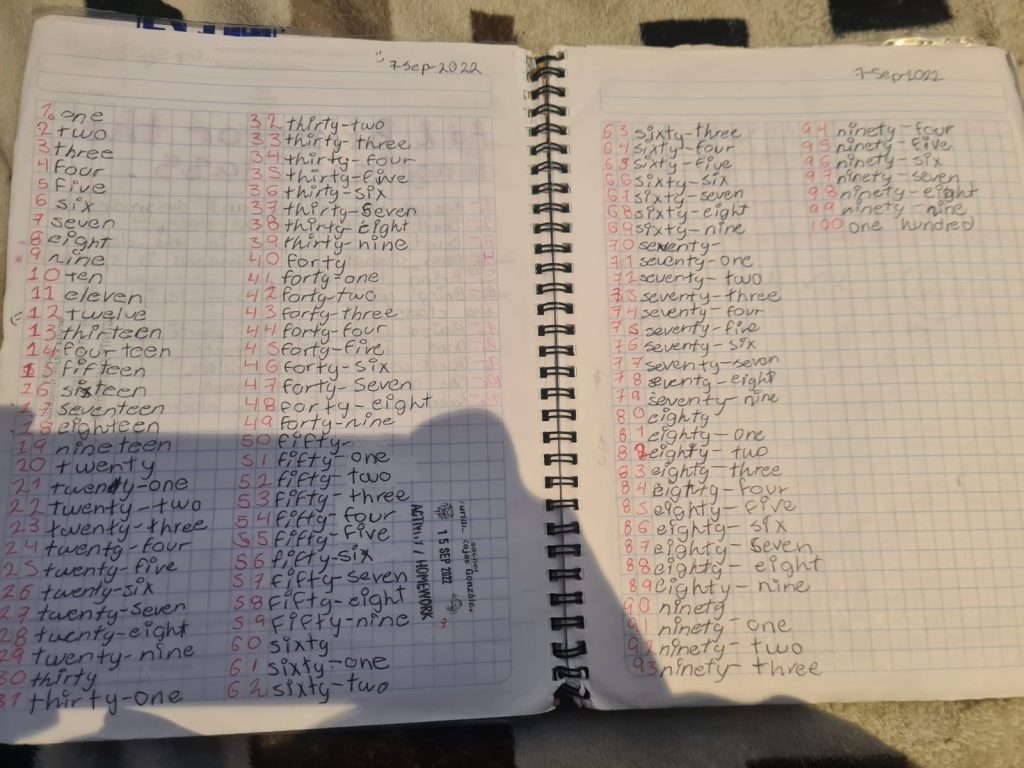
- Number Names: Learning number names is essential. Practice saying the names of numbers, both verbally and in writing. Begin with single-digit numbers, then progress to two-digit and three-digit numbers. Understanding number names is crucial for reading, writing, and comprehending numerical information.
- Place Value: Numbers consist of digits that hold different positional values. This concept is known as place value. For example, in the number 532, the «5» represents 500 (hundreds place), the «3» represents 30 (tens place), and the «2» represents 2 (ones place). Understanding place value helps you comprehend and manipulate numbers effectively.
- Number Operations: Numbers are not just static entities; they interact through mathematical operations. Explore basic operations like addition, subtraction, multiplication, and division. Understand the symbols and rules associated with these operations. Engage in practical exercises to apply your knowledge in solving real-life problems.
- Number Patterns: Numbers follow fascinating patterns. Discover patterns like even and odd numbers, prime numbers, or Fibonacci sequences. Recognizing and understanding number patterns can help develop logical thinking and problem-solving skills.
- Decimal Numbers: Decimals are numbers with fractional parts. Learn about decimal place value, where digits to the right of the decimal point represent fractions or parts of a whole. Explore real-world applications of decimal numbers, such as money, measurements, and percentages.
- Fractions: Fractions represent parts of a whole. Understand the relationship between the numerator (top number) and the denominator (bottom number). Explore common fractions like halves, thirds, and quarters. Practice comparing fractions and performing basic operations with them.
- Real-World Applications: Numbers are everywhere in our daily lives. Recognize the importance of numbers in practical situations, such as shopping, budgeting, timekeeping, and analyzing data. Apply your knowledge to real-world scenarios, fostering a deeper understanding of how numbers shape our world.
Deja una respuesta